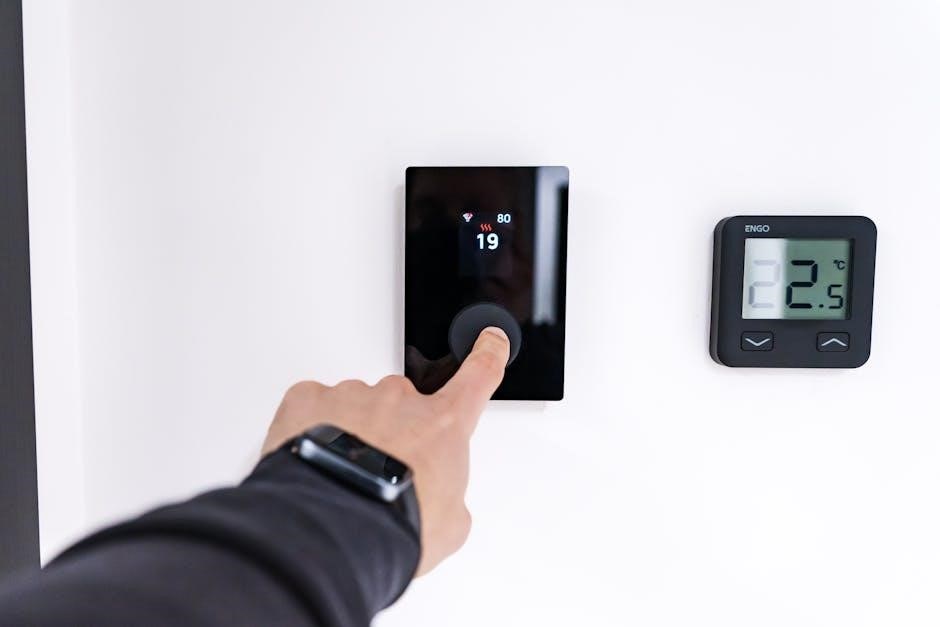
Radio Thermostat Manual: A Comprehensive Guide (Updated 04/07/2026)
Welcome! This manual provides detailed instructions for Radio Thermostat models – CT100, CT100 Plus, CT101, and GoControl – aiding SmartThings integration and optimal performance․
Today is 04/07/2026 10:51:57 ()․
Radio Thermostat technology represents a significant advancement in home climate control, moving beyond traditional, manually adjusted thermostats․ These devices leverage wireless communication protocols – primarily Z-Wave – to offer remote access and intelligent automation capabilities․ This allows homeowners to manage their heating and cooling systems from anywhere with an internet connection, using smartphones, tablets, or computers․
The core principle revolves around providing convenient and energy-efficient temperature regulation․ Unlike conventional thermostats, Radio Thermostats learn user preferences and adapt schedules accordingly, potentially reducing energy consumption and lowering utility bills․ The SmartThings community actively discusses the nuances between models like CT100, CT100 Plus, CT101, and GoControl, highlighting subtle differences in features and styling․
Understanding these technologies empowers users to create a comfortable and cost-effective home environment․ The ability to integrate with platforms like SmartThings further expands functionality, enabling seamless control alongside other smart home devices․ This introduction sets the stage for a deeper dive into the specifics of each model and their respective capabilities․
What is a Radio Thermostat?
A Radio Thermostat is a smart thermostat utilizing Z-Wave technology to connect to a home automation network, most notably SmartThings․ Unlike traditional thermostats relying on physical wiring for control, these devices communicate wirelessly, offering remote access and advanced scheduling features․ Models like the CT100, CT100 Plus, CT101, and GoControl, while visually distinct, share this fundamental capability․
Essentially, it’s a climate control system that extends beyond the wall․ Users can adjust temperatures, create schedules, and monitor energy usage through a mobile app or web interface․ The SmartThings community frequently compares these models, noting price points – CT100 at $60, CT100 Plus at $95 – and subtle functional variations․
Radio Thermostats aren’t simply remote controls; they’re intelligent systems capable of learning and adapting to user habits, optimizing comfort and energy efficiency․ They bridge the gap between traditional HVAC systems and the convenience of a connected home․
Benefits of Using a Radio Thermostat
Employing a Radio Thermostat unlocks a multitude of advantages for homeowners seeking enhanced comfort and energy savings․ Remote control via smartphone or computer eliminates the need to physically adjust settings, offering convenience and responsiveness․ Advanced scheduling capabilities allow for customized temperature profiles, optimizing energy use based on occupancy and time of day․
Integration with platforms like SmartThings enables seamless automation, linking thermostat operation with other smart home devices․ This creates a truly connected ecosystem, enhancing both convenience and efficiency․ Users can monitor energy consumption, identify potential savings, and reduce their carbon footprint․
Compared to traditional thermostats, Radio Thermostats – including CT100, CT100 Plus, CT101, and GoControl models – offer a significant upgrade in functionality and control, justifying their price differences as noted within the SmartThings community discussions․

Understanding Radio Thermostat Models
Explore the diverse range of Radio Thermostat offerings, including the CT100, CT100 Plus, CT101, and GoControl, each with unique features and price points as discussed online․
CT100 Model Overview
The CT100 represents the foundational offering within the Radio Thermostat lineup, currently priced around $60 as of recent online discussions․ This model provides essential smart thermostat functionality, enabling remote temperature control and scheduling via compatible smart home platforms like SmartThings․
While it lacks some of the advanced features found in higher-tier models, the CT100 delivers a cost-effective entry point into smart home climate control․ Users can expect basic operational features, including setting temperature schedules and adjusting temperatures remotely through a mobile application or web interface;
It’s important to note that the CT100’s physical design is a key differentiator among the models․ Compared to the CT100 Plus and CT101, the CT100 presents a more streamlined aesthetic․ For those seeking a simple, reliable, and affordable smart thermostat, the CT100 provides a solid solution, particularly for initial smart home integration․
Find it here: CT100 Link
CT100 Plus Model Overview
The CT100 Plus builds upon the foundation of the CT100, offering enhanced features and a slightly elevated price point, currently around $95․ This model distinguishes itself through added functionalities designed to improve user experience and energy efficiency․
Key improvements over the base CT100 often include enhanced display capabilities and potentially more robust connectivity options․ While specific details can vary, the CT100 Plus generally provides a more refined user interface and potentially faster response times when adjusting temperature settings remotely․
Users considering the CT100 Plus should evaluate whether the additional features justify the price difference․ For those prioritizing a more feature-rich experience and potentially improved performance, the CT100 Plus represents a worthwhile upgrade․ It remains a cost-effective option within the Radio Thermostat family, offering a balance of functionality and affordability․
Find it here: CT100 Plus Link
CT101 Model Overview
The CT101 represents another step up in the Radio Thermostat lineup, offering features beyond those found in the CT100 and CT100 Plus models․ While specific details require further investigation, the CT101 generally provides a more advanced set of capabilities for enhanced home climate control․
Compared to its predecessors, the CT101 often includes improved sensor technology for more accurate temperature readings and potentially more sophisticated algorithms for optimizing heating and cooling cycles․ This can translate to greater energy savings and a more comfortable living environment․
Users seeking a thermostat with advanced features and a higher degree of customization may find the CT101 to be an excellent choice․ It’s important to compare the CT101’s features and price point with those of the CT100 Plus and GoControl models to determine the best fit for individual needs and budget․

Further research is recommended to fully understand the CT101’s capabilities․
GoControl Thermostat Model Overview
The GoControl Thermostat, often discussed alongside the CT100, CT100 Plus, and CT101, presents a compelling option for smart home integration, particularly within the SmartThings ecosystem․ It’s designed to offer similar functionality to the Radio Thermostat models, but with a potentially different aesthetic and feature set․
Users frequently inquire about the distinctions between these devices, seeking clarity on which model best suits their requirements․ The GoControl thermostat generally aims to provide reliable temperature control and remote access capabilities, allowing users to manage their home climate from anywhere with an internet connection․
While specifics vary, the GoControl model often focuses on ease of use and seamless integration with SmartThings hubs․ Comparing its price point and features to the other Radio Thermostat options is crucial for making an informed decision․ Detailed specifications are essential for understanding its unique advantages․
Explore the SmartThings community for user experiences․
Key Differences Between CT100, CT100 Plus, CT101 & GoControl
Distinguishing between the CT100, CT100 Plus, CT101, and GoControl thermostats requires a close look at their features and price points․ The CT100, typically around $60, serves as a basic smart thermostat option․ Stepping up to the CT100 Plus, priced around $95, usually adds enhanced functionalities, though specifics vary․
The CT101 model introduces further refinements, potentially including improved display clarity or additional smart home integrations․ The GoControl thermostat, often compared directly to the CT100, aims for compatibility within the SmartThings environment․
Physical styling is a noted difference, alongside internal capabilities․ Users in the SmartThings Community frequently discuss these nuances, seeking clarity on which model best aligns with their needs․ Understanding these distinctions is vital for selecting the ideal thermostat for your smart home setup․
Refer to online resources for detailed comparisons․

Installation and Setup
Begin with a checklist to ensure compatibility, followed by careful wiring․ Connect to your Wi-Fi and configure the account for seamless remote control access․
Pre-Installation Checklist
Before you begin, verify your HVAC system’s compatibility with Radio Thermostat models․ Confirm your system isn’t a high-voltage setup, as these thermostats require 24V systems․
Gather necessary tools: a screwdriver, wire strippers, and potentially a voltage tester․ Turn off power to your HVAC system at the breaker box – safety first!
Document existing wiring: Carefully photograph or sketch the current thermostat wiring configuration․ This is crucial for accurate reconnection․ Note the wire colors and their corresponding terminals․
Check Wi-Fi signal strength: Ensure a strong and stable Wi-Fi signal reaches the thermostat’s location for reliable connectivity․ Weak signals can cause operational issues․
Download the mobile app: Download the Radio Thermostat app to your smartphone or tablet․ You’ll need this for initial setup and ongoing control․ Create an account if you don’t already have one․
Wiring Diagrams and Compatibility
Compatibility is key! Radio Thermostats generally support standard 24V heating and cooling systems․ However, certain systems – like those with proprietary communication protocols – may require adapters or be incompatible․
Refer to the wiring diagram included with your specific Radio Thermostat model․ These diagrams illustrate the correct connections for common HVAC configurations․ Common terminals include Rh, Rc, W, Y, G, and C․
The ‘C’ wire (common wire) is often required for consistent power․ If your existing thermostat lacks a C wire, you may need to install one or use a C-wire adapter․
Carefully match the existing wires to the corresponding terminals on the Radio Thermostat baseplate․ Incorrect wiring can damage your HVAC system or the thermostat itself․
For complex setups or if you’re unsure about any wiring connections, consult a qualified HVAC technician․ Professional installation is recommended to ensure safety and proper functionality․
Connecting to Your Home Wi-Fi Network

Seamless connectivity is essential! To unlock the full potential of your Radio Thermostat, connect it to your home Wi-Fi network․ Begin by downloading the Radio Thermostat app on your smartphone or tablet․
Enable Wi-Fi on your mobile device and ensure it’s connected to your 2;4 GHz network – 5 GHz networks are generally not supported․ Within the app, select “Add Device” and follow the on-screen prompts․
The thermostat will enter pairing mode, typically indicated by a flashing Wi-Fi icon․ The app will scan for available networks; select yours and enter the correct password․
Allow several minutes for the thermostat to connect․ A successful connection is confirmed by a solid Wi-Fi icon on the thermostat display and within the app․
Troubleshooting tip: If the connection fails, ensure your router is within range and that the password is correct․ Restarting both the thermostat and router can also resolve connectivity issues․
Initial Configuration and Account Setup
Personalize your experience! Once connected to Wi-Fi, the Radio Thermostat app will guide you through the initial configuration process․ You’ll be prompted to create a Radio Thermostat account, or log in if you already have one․
Provide essential details such as your location for accurate weather data and time zone settings․ The app will then ask about your heating and cooling system type – furnace, heat pump, or air conditioner – to optimize performance․
Name your thermostat for easy identification if you have multiple units․ You can also customize temperature units (Fahrenheit or Celsius) and set up initial scheduling preferences․
Explore the app’s features, including geofencing and smart home integrations․ Take time to familiarize yourself with the user interface and available settings․
Security is paramount; ensure your account password is strong and unique․ Regularly review your privacy settings within the app for optimal control․

Operating Your Radio Thermostat
Effortless control awaits! This section details navigating the user interface, setting schedules, making manual adjustments, and leveraging geofencing for optimal comfort and efficiency․
Understanding the User Interface
Navigating the Display: The Radio Thermostat boasts a user-friendly interface designed for intuitive operation․ The primary display showcases the current room temperature, setpoint temperature, and operating mode (Heat, Cool, Auto, or Off)․ Below this, you’ll find icons indicating active features like fan control or scheduled programming․
Button Functions: Physical buttons, if present on your model, typically control temperature adjustments, mode selection, and menu navigation․ The menu allows access to advanced settings, scheduling options, and network configurations․ The touchscreen models offer similar functionality through intuitive tap and swipe gestures․
Iconography: Familiar icons represent key functions․ A snowflake indicates cooling, a flame signifies heating, and a fan icon controls the fan operation․ A clock icon denotes scheduled programming, while a Wi-Fi symbol confirms network connectivity․ Understanding these icons is crucial for efficient operation․ Refer to your specific model’s quick start guide for detailed icon explanations․
Mobile App Integration: For remote access and enhanced control, the Radio Thermostat seamlessly integrates with a dedicated mobile application, mirroring the on-device interface and offering additional features․
Setting Temperature Schedules
Creating Customized Comfort: Radio Thermostats excel at energy efficiency through programmable schedules․ Access the scheduling menu via the thermostat’s interface or the mobile app․ You can define different temperature setpoints for various times of the day and days of the week․
Programming Options: Most models support multiple daily periods (Wake, Leave, Return, Sleep), allowing granular control over your home’s temperature․ Adjust the temperature for each period to match your comfort preferences and occupancy patterns․ Consider lower temperatures when away or asleep to conserve energy․
Schedule Overrides: Temporary adjustments to the schedule are easily made using the “Hold” function․ This allows you to maintain a specific temperature for a defined duration, overriding the programmed schedule without permanently altering it․
Smart Scheduling: Some models offer learning capabilities, automatically adjusting schedules based on your observed behavior․ Explore these features within the app for optimized comfort and savings․
Manual Temperature Adjustment
Immediate Comfort Control: While schedules provide automated temperature management, Radio Thermostats allow for instant manual overrides․ Use the up and down arrow buttons on the thermostat itself to directly adjust the setpoint temperature․ This is ideal for responding to unexpected changes in weather or personal comfort needs․
Temporary vs․ Permanent Changes: Be mindful of whether your adjustment is intended to be temporary or permanent․ Most models offer a “Hold” option, maintaining the adjusted temperature for a specified duration before reverting to the programmed schedule․ Without selecting “Hold”, the change will only last until the next scheduled setpoint․
App Control: Manual adjustments can also be made remotely via the mobile app, providing convenience and control even when you’re away from home․ The app mirrors the thermostat’s interface, offering a familiar user experience․
Monitoring Current Temperature: The thermostat display continuously shows both the setpoint temperature and the current room temperature, allowing you to easily monitor and adjust as needed․
Using Geofencing Features
Automated Comfort Based on Location: Geofencing utilizes your smartphone’s location to automatically adjust the thermostat settings when you enter or leave a predefined area․ This feature maximizes energy savings and ensures optimal comfort without manual intervention․
Setting Up Geofencing: Configure geofencing through the Radio Thermostat mobile app․ Define a virtual “fence” around your home; when your phone crosses this boundary, the thermostat responds accordingly․ You can set different temperatures for “Home” and “Away” modes․
Customization Options: Adjust the geofence radius to suit your needs․ A smaller radius provides quicker responses, while a larger radius offers more flexibility․ Multiple users can be added to a single geofence, ensuring coordinated temperature control․
Privacy Considerations: Geofencing relies on location data, so review the app’s privacy policy to understand how your information is used and protected․ Ensure location services are enabled on your smartphone for the feature to function correctly․

Advanced Features and Troubleshooting
Unlock Full Potential: Explore remote access, smart home integration with platforms like SmartThings, and solutions for common issues, including factory reset procedures․
Remote Access and Mobile App Control
Stay Connected From Anywhere: Radio Thermostat’s mobile app empowers you with complete control over your home’s climate, regardless of your location․ Download the app to your smartphone or tablet for convenient adjustments․
Key Features Include: Adjust temperature settings, view current conditions, and manage schedules remotely․ Receive alerts for extreme temperature fluctuations or system malfunctions․ The app provides a user-friendly interface for effortless operation․
Seamless Integration: The app connects directly to your thermostat via your home’s Wi-Fi network, ensuring a secure and reliable connection․ Enjoy the freedom of managing your home comfort while traveling or simply relaxing in another room․ Detailed energy usage reports are also available within the app, helping you optimize efficiency and reduce costs․

Troubleshooting Tip: If you experience connectivity issues, ensure your Wi-Fi network is stable and the thermostat is within range․ Restarting both the thermostat and the app can often resolve temporary glitches․
Integration with Smart Home Platforms (SmartThings)
Expand Your Smart Home Ecosystem: Radio Thermostats seamlessly integrate with popular smart home platforms, most notably Samsung SmartThings, unlocking a world of automation possibilities․ This connection allows for centralized control of all your compatible devices․
SmartThings Compatibility: Through SmartThings, you can create custom routines and scenes involving your thermostat․ For example, automatically lower the temperature when you leave home or adjust it based on the time of day․ Explore the SmartThings community (community․smartthings․com/t/thermostat-differences-ct100-ct100-ct101-gocontrol/96373) for user-created integrations and ideas․
Voice Control: Utilize voice commands through SmartThings-compatible voice assistants to adjust your thermostat hands-free․ Enjoy the convenience of controlling your home’s climate with simple spoken instructions․ Ensure your SmartThings hub is properly configured and connected to your Radio Thermostat for optimal performance․
Device Differences: Be aware of subtle differences between CT100, CT100 Plus, CT101, and GoControl models when setting up within SmartThings․
Troubleshooting Common Issues
Connectivity Problems: If your Radio Thermostat loses connection to your Wi-Fi network, first ensure your router is functioning correctly․ Then, try restarting the thermostat by briefly removing and reinserting the batteries․ Verify your Wi-Fi password is entered correctly during the setup process․
SmartThings Integration Issues: If the thermostat isn’t responding within the SmartThings app, check the device’s status in the SmartThings app and ensure it’s online․ Sometimes, removing and re-adding the device can resolve communication errors․ Consult the SmartThings Community forum (community․smartthings․com/t/thermostat-differences-ct100-ct100-ct101-gocontrol/96373) for model-specific troubleshooting tips․
Temperature Discrepancies: If the displayed temperature differs significantly from the actual room temperature, ensure the thermostat isn’t exposed to direct sunlight or drafts․ Recalibrate the temperature sensor within the thermostat’s settings menu․
Model-Specific Concerns: Remember that CT100, CT100 Plus, CT101, and GoControl models may exhibit unique issues; identifying your specific model is crucial for effective troubleshooting․
Resetting Your Radio Thermostat to Factory Defaults
Caution: Resetting your Radio Thermostat will erase all custom settings, schedules, and Wi-Fi configurations․ This should only be performed as a last resort when troubleshooting persistent issues or preparing the device for a new owner․
Reset Procedure: The exact reset process varies slightly depending on your model (CT100, CT100 Plus, CT101, or GoControl)․ Generally, it involves accessing the settings menu on the thermostat itself․ Navigate to the “Reset” or “Factory Defaults” option․ Confirm your decision when prompted․
Post-Reset Steps: After the reset, you’ll need to re-establish a connection to your home Wi-Fi network and reconfigure all your desired settings․ Refer to the “Initial Configuration and Account Setup” section of this manual for detailed instructions․ For model-specific guidance, consult resources like the SmartThings Community forum (community․smartthings․com/t/thermostat-differences-ct100-ct100-ct101-gocontrol/96373)․
Important Note: Ensure a stable power supply during the reset process to prevent data corruption․

Maintenance and Support
Keep your Radio Thermostat functioning optimally! Regular battery checks, gentle cleaning, and utilizing available online resources ensure long-lasting performance and satisfaction․
Battery Replacement
Maintaining consistent power is crucial for your Radio Thermostat’s operation․ While designed for energy efficiency, the thermostat relies on batteries as a backup power source, especially during Wi-Fi disruptions or power outages․
Typically, Radio Thermostats utilize two AA alkaline batteries․ A low battery indicator will appear on the display, signaling the need for replacement․ Always use fresh, high-quality AA batteries to ensure reliable performance․
To replace the batteries:
- Gently remove the thermostat faceplate from the wall plate․
- Locate the battery compartment, usually on the back of the faceplate․
- Remove the old batteries and insert the new ones, observing the correct polarity (+ and -)․
- Reattach the faceplate securely to the wall plate․
Cleaning and Care
Proper cleaning and care will extend the lifespan and maintain the aesthetic appeal of your Radio Thermostat․ Regular maintenance ensures optimal performance and accurate temperature readings․
To clean the thermostat, always disconnect power at the breaker before beginning․ Use a soft, dry microfiber cloth to gently wipe the faceplate and surrounding areas․ Avoid using abrasive cleaners, solvents, or excessive moisture, as these can damage the display or internal components․
For stubborn smudges, lightly dampen the cloth with water, ensuring it’s wrung out thoroughly to prevent liquid from entering the thermostat․ Never spray liquids directly onto the device․
The wall plate can be cleaned similarly․ Avoid harsh chemicals․ Periodically inspect the thermostat for dust buildup, especially in ventilation areas․ A small brush can be used to carefully remove dust․
Caution: Do not disassemble the thermostat beyond removing the faceplate for battery replacement․
Where to Find Additional Support and Resources
For comprehensive support and troubleshooting assistance, several resources are readily available to Radio Thermostat users․ The official Radio Thermostat website (radiothermostat․com) hosts a detailed FAQ section, downloadable manuals, and troubleshooting guides for all models․
The SmartThings Community forum is an excellent platform to connect with other users, share experiences, and find solutions to common issues, particularly regarding integration with SmartThings․
Direct customer support can be reached via email or phone; contact information is listed on the Radio Thermostat website․ When contacting support, have your thermostat model number and purchase date readily available․
Furthermore, online video tutorials demonstrating installation, setup, and advanced features are available on YouTube and other video-sharing platforms․ These visual guides can be incredibly helpful for visual learners․